

Source: https://www.waybeyond.io/resources/the-important-role-of-plant-balance-in-tomato-crop-steering?hsLang=en
05.02.2023 | 5 min readThe important role of plant balance in tomato crop steering


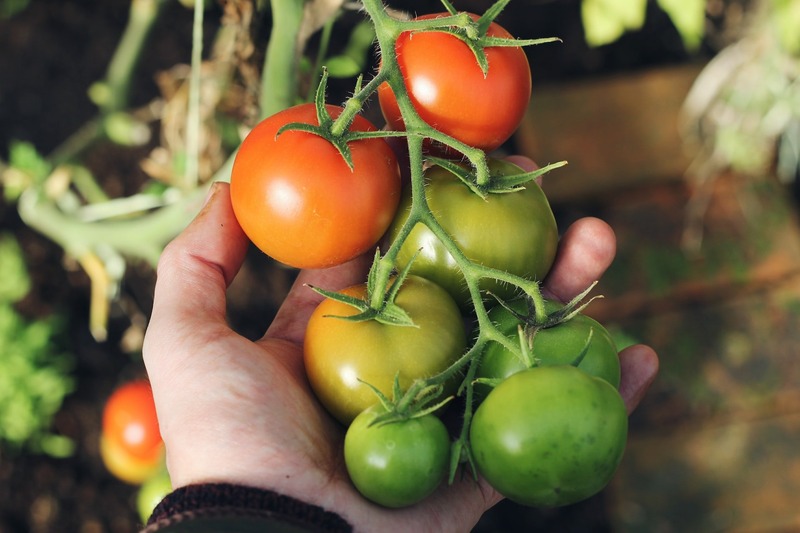 Optimize tomato yield by balancing generative and vegetative growth.
Maximizing the yield of tomato crops means ensuring plants produce fruit for as long as possible. To achieve this tomato growers must maintain a delicate balance between a plant’s generative (fruiting biomass) and vegetative growth (non-fruiting biomass). How do they do this?
What is plant balance?
Plant balance is the optimum state between generative and vegetative that enables plant development in line with growth milestones and target yield. Plants reveal their health and how they are using energy through morphology and growth patterns. By understanding the current plant state, growers are able to ‘steer’ the crop in a particular direction to meet their production targets.What is crop steering?
Crop Steering involves manipulation of environmental factors to achieve a certain growth profile. If the plants are off-balance or have deviated from the desired plant balance state, the growers may make changes to climate, irrigation, and plant itself to bring back to the target state. Growers may choose to steer the plant to use its energy to grow more fruits and flowers, or to grow more stem and leaves, or to maintain a balance of them both.The 4 states of plant balance for steering your crop
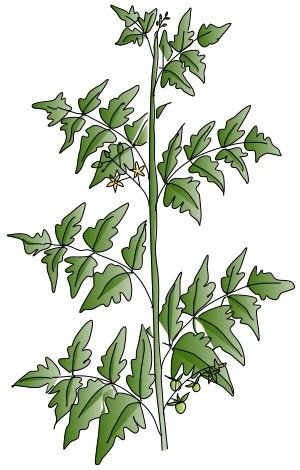
Plant balance spectrum is generally split in to 4 states.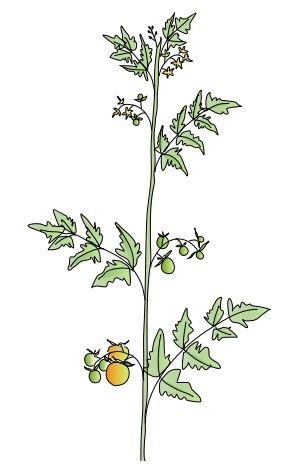 | 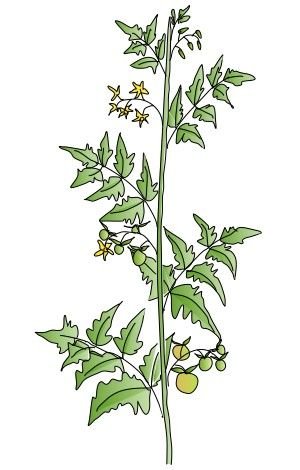 |
|---|---|
| **Weak generative | |
| **(Synonyms: More generative) |
 |
 |
|
Weak vegetative
(Synonyms: Vegetative)
Plants spend relatively more energy to produce vegetative plant parts while maintaining adequate generative growth resulting in good growth. ”Weak” refers to weak vegetative growth of the plants.
|
**Strong vegetative
**(Synonyms: More vegetative)
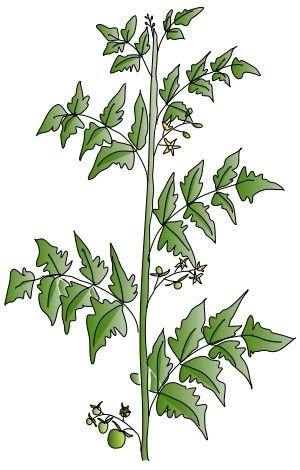
Plants spend more energy to produce vegetative plant parts and less on generative plant parts resulting in too much vegetative growth. ”Strong” refers to strong vegetative growth of the plants.
|
What can be learned from plant growth patterns for better crop steering?
Plant growth patterns are an indicator of plant health and plant balance state. A vigorously growing plant with long, thick stems and large leaves is generally an indication of a vegetative state. While a plant with higher fruit load, many flowers, thin stem and small leaves indicates a generative state. During growth crops respond to generative and vegetative actions/triggers by allocating their assimilates to generative or vegetative plant parts. For example, in fruiting crops, at low temperature and high humidity, the demand for assimilates is less and results in more leaf and stem growth – a vegetative response. At higher temperatures plants may produce higher fruit load due to higher activity at growing tips of the plants – a generative response. This also results in weaker vegetative structure as more assimilates are being consumed for the development of higher fruit load. Plants are subjected to vegetative and generative triggers daily, depending on the season. To steer the plants towards balance, growers must constantly monitor plant parameters and have a clear grasp of the current state to ensure they take necessary actions.Why measure plant growth?
By measuring the morphology of the plant using growth parameters, growers can identify vegetative/generative trends and take action to steer the plant towards a more balanced state.The challenges of determining plant balance
Plant balance is usually determined by visual inspection of the plant which can be time-consuming and labor-intensive. Supervisors are often out every day making visual inspections to form an opinion, which can be a huge operational cost. Additionally, growers may use crop measurements and growth pattern information to assist them in making a decision. But correct assessment of balance state is also challenging as it is highly subjective, and assessments can vary widely between supervisors. Ask three growers of varying experience to assess plant-balance status and you may get three different answers.The future for crop steering and plant balance
As crop steering requires the grower to be constantly up to date with the balance state of their crop, the future lies in developing technologies that use plant morphology data to indicate plant balance. This means growers regardless of their level of expertise and experience can work from a common single objective measurement, removing opinions and the reliance on visual inspections to determine plant balance.Growers can steer their crop to more generative or more vegetative state but both courses of action require them to have a clear grasp of the current state of the plant to avoid over-stressing it.
Featured Resources


- CASE STUDY
- CUSTOMER CHAMPIONS
- TOMATO
- CROP MANAGEMENT
Eliven Tropical: Using FarmRoad to Detect Early Stress and Prevent Crop Loss
When faced with crop losses due to climate events and system failures, Eliven Tropical turned to… START READING
- ARTICLE
- IRRIGATION
- CROP MANAGEMENT
- TOMATO
Optimized: Irrigation
See the strategy behind evapotranspiration-based irrigation planning that helped a greenhouse… START READING
- CASE STUDY
- TOMATO
- CROP MANAGEMENT
- CUSTOMER CHAMPIONS
Agrícola Chaparral uses data to prevent tomato crop loss
With late blight causing crop loss and large costs, Agrícola Chaparral turned to digital agronomy… START READING
- ARTICLE
- DARRYN KEILLER
- INDUSTRY
- TOMATO
Some Thoughts on Tomato Seeds
What if tomato seeds were treated as commodities? This article explains how data and AI can help… START READING
- TOMATO
- WHITEPAPER
- YIELD PREDICTION
Beyond Yield Prediction: the importance of climate and context
Do growers focus too much on high accuracy yield forecasting and miss key contextual indicators? START READING
- TOMATO
- ARTICLE
- CROP STEERING
Crop steering 101: how to optimize tomato growth for maximum yield
In this crop steering guide, you’ll learn how to adjust environmental factors for ideal plant… START READING
- TOMATO
- ARTICLE
- CROP STEERING
The important role of plant balance in tomato crop steering
Discover strategies for maximizing crop yields by balancing generative/vegetative growth. START READING
- TOMATO
- WEBINAR
- YIELD PREDICTION
The importance of climate and context data in tomato production
Learn how interpreting crop yield prediction with contextual data improves decision-making and… START WATCHING
- TOMATO
- ARTICLE
- YIELD PREDICTION
Rethinking the singular focus on high accuracy in tomato yield prediction
WayBeyond’s study unveils factors behind yield swings and proposes an alternative to improve yield… START READING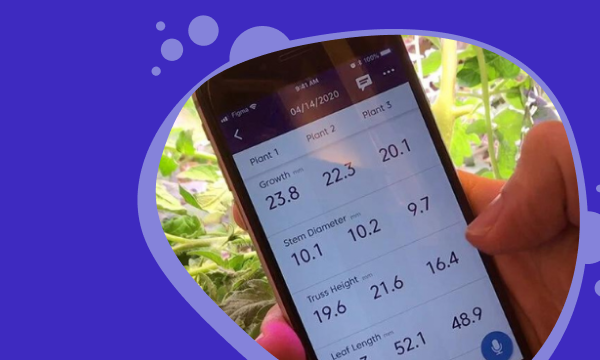
- ARTICLE
- CROP MANAGEMENT
- TOMATO