

Source: https://www.waybeyond.io/resources/practical-guide-for-growers-leveraging-data-for-effective-crop-management?hsLang=en
04.02.2025 | 3 min readThe Practical Guide for Growers: Leveraging Data for Effective Crop Management
NEXT


What is Data:
Data is measurable information. In farming, data can range from straightforward metrics like rainfall amounts to more dynamic indicators like temperature fluctuations throughout the day. By using data, growers can make informed decisions on water usage, fertilizer needs, pest control, and other critical factors that impact crop health and yield. Data can help to unlock crop growth and production as a single factor can limit crop growth and production even when ALL the other factors are perfect.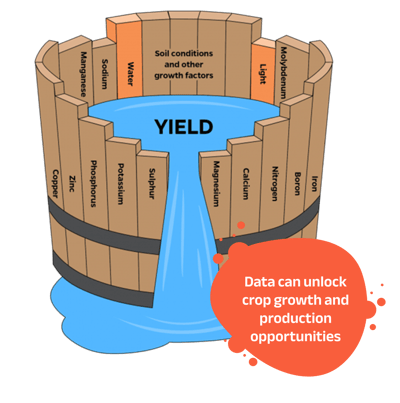
Why is data so important?
In agriculture, data enables smarter, fact-based decisions, eliminating guesswork. It reveals patterns in water usage, crop health, and local climate conditions. For example, in arid regions, data can help optimize irrigation schedules, reducing water waste while maintaining crop health.
“If we data, let’s look at the data. If all we have are opinions, let’s go with mine”
Jim Barksdale, former CEO of Netscape.Data in Protected Cultivation
In protected cultivation, such as greenhouses and tunnels where crops are grown, data plays a crucial role in optimizing growth conditions. By using real-time data from sensors that measure temperature, humidity and light, growers can fine-tune the environment to ensure plants receive exactly what they need at each stage of growth. For example, in greenhouses, monitoring temperature and humidity helps maintain the ideal climate for crops, while automating irrigation based on soil moisture and substrate data ensures precise water use, avoiding over- or under-watering. Data can help to optimize key farming practices:- Irrigation: Deliver precise water amounts, conserving resources.
- Pest and Disease Management: Prevent outbreaks based on climate data.
- Yield Prediction: More accurately forecast and plan for harvest.
- Risk Management: Respond rapidly and proactively with real-time alerts around your climate conditions.
- Harvest Timing: Better plan for resources like labour needs.
- Operational Efficiency and Sustainability: Visualize trends, automate tasks, graphs and reports saving time and reducing costs. Reduce waste by optimizing inputs like water and fertilizers.
Balancing data and experience: The power of a data-informed strategy
While intuition and past experiences are valuable, using data can significantly enhance your decision-making process. Data helps you identify patterns and insights, enabling you to make strategic choices that improve efficiency and productivity.
Being data driven is not enough
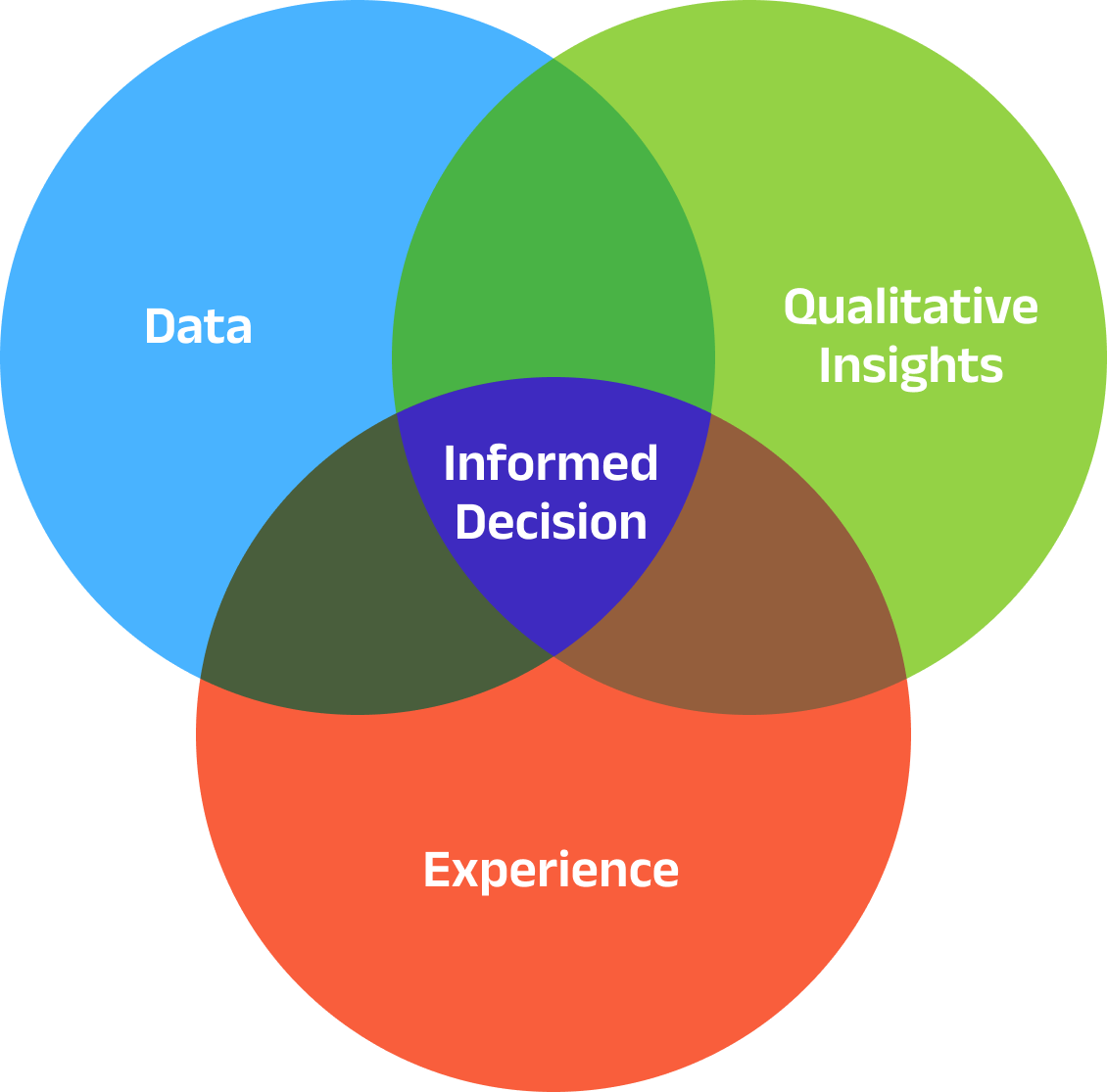
Being data-driven means relying solely on data for decisions, but it’s important to also consider context, experience, and other inputs. This makes data use more powerful and effective.The Data-Driven vs. Data-Informed Approach
Data-Driven: Decisions are based solely on data. Data-Informed: Data is one of several inputs, including experience and intuition, that guide decisions.Data Informed
- Data (quantitative insights, e.g., microclimate data, experiment results).
- Qualitative insights (e.g., customer feedback, stakeholders, changes in the market, new varieties).
- Experience (aka “intuition”), which results from experience, knowledge and immersing yourself in your market and the growing environment context.
Steps to make informed decisions using data
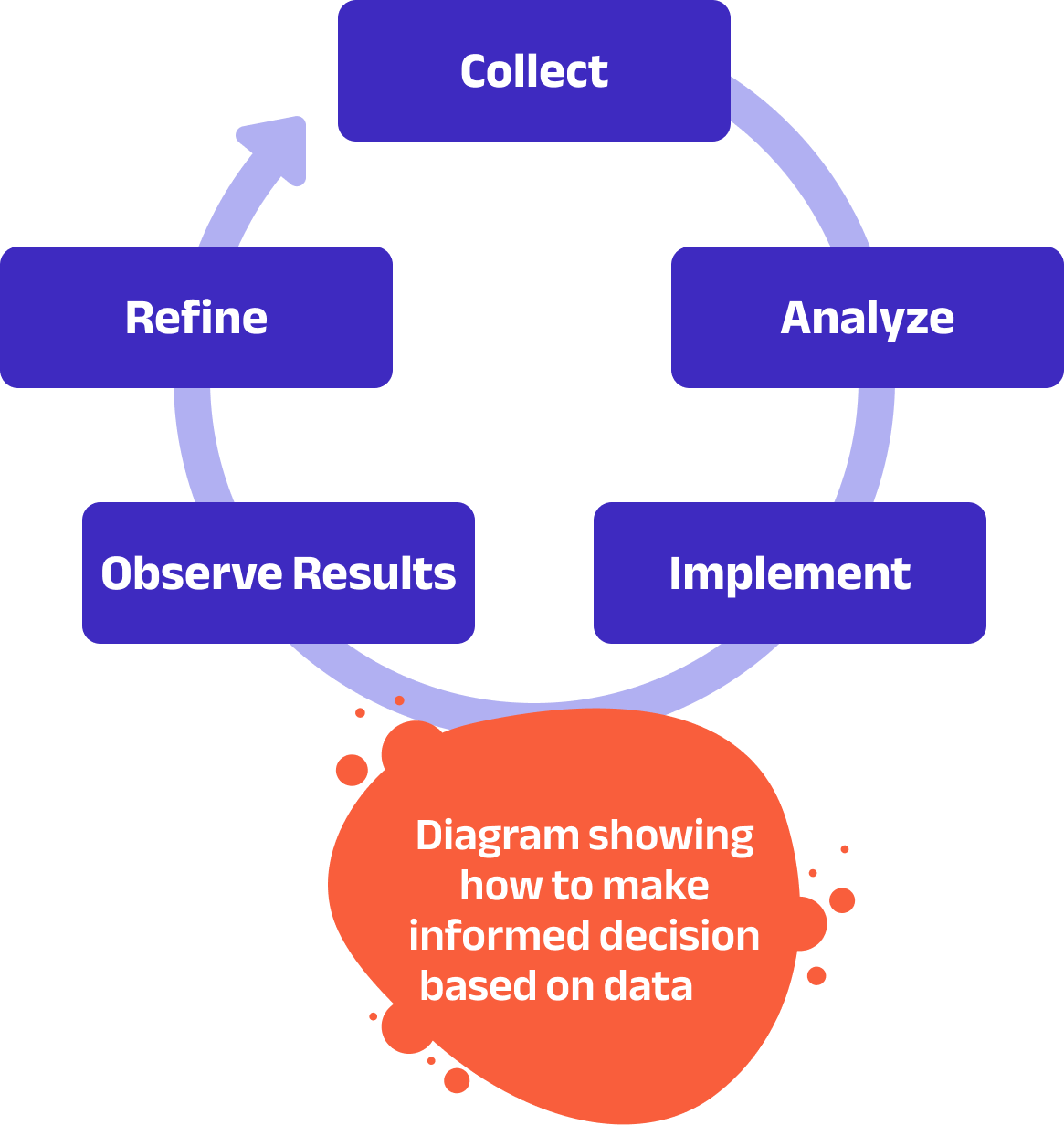
- Define objectives and outcomes: get clarity on your needs and what you want to achieve
- Collect it: Use sensors and other technology to gather information about your climate, weather, and crops.
- Analyze the data: Look at trends and patterns to understand what’s happening on your farm.
- Make informed decisions: Use your data insights to decide how much water, fertilizer, or pesticides to use.
- Implement changes: Adjust your farming practices based on your decisions.
- Observe and refine: Keep an eye on how your changes affect your crops and make adjustments as needed.
Example
Situation: For instance, imagine you’re growing berries. You notice your water usage is high, yet your yields aren’t improving. Collect data: The grower can leverage various data such as climate, irrigation, substrate, alongside forecasted water demand models to determine the optimal water and nutrient requirements of their crops. Analyze the data: The grower reviews the previous day’s irrigation events, including climate data (temperature, VPD, radiation), drip and drain metrics, and substrate sensor data (VWC, EC), to assess the irrigation plan’s success and make adjustments for the current day.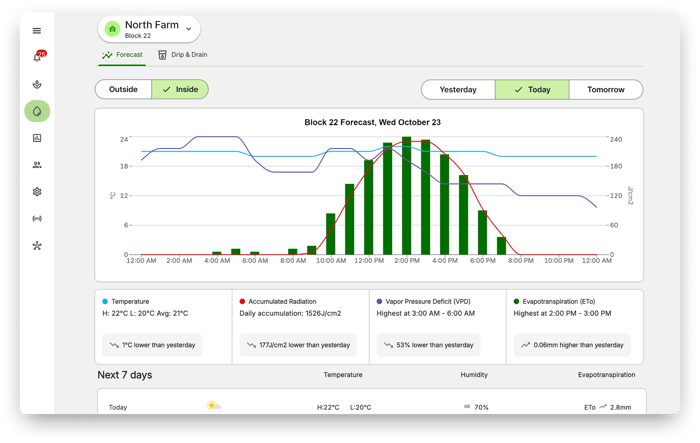 FarmRoad dashboard displaying forecasted climate and irrigation data for informed decision-making
Decision: After review, the grower can decide how the irrigation volumes and times should be adjusted based on the forecasted water demand model for the day
Observe and Refine: Real-time monitoring of drip and drain data, along with substrate VWC and EC, enables growers to assess and adjust their irrigation plans effectively.
This approach promotes efficient water use, resulting in healthier plants, higher yields, and lower costs by preventing over-irrigation and related issues.
If you want to learn more how to use data insights to improve irrigation, check out our blog ‘An Introduction to Irrigation Using Data Insights.’
Get the full guide, complete with a checklist on using data to make informed crop management decisions.
FarmRoad dashboard displaying forecasted climate and irrigation data for informed decision-making
Decision: After review, the grower can decide how the irrigation volumes and times should be adjusted based on the forecasted water demand model for the day
Observe and Refine: Real-time monitoring of drip and drain data, along with substrate VWC and EC, enables growers to assess and adjust their irrigation plans effectively.
This approach promotes efficient water use, resulting in healthier plants, higher yields, and lower costs by preventing over-irrigation and related issues.
If you want to learn more how to use data insights to improve irrigation, check out our blog ‘An Introduction to Irrigation Using Data Insights.’
Get the full guide, complete with a checklist on using data to make informed crop management decisions.

 Article by Sarah Zhen
Sarah is a Marketing and Communications Specialist at WayBeyond with a wide range of experience in content creation and communications. She enjoys writing about the positive impact of innovation in AgTech.
Article by Sarah Zhen
Sarah is a Marketing and Communications Specialist at WayBeyond with a wide range of experience in content creation and communications. She enjoys writing about the positive impact of innovation in AgTech.
Featured Resources
ALL RESOURCES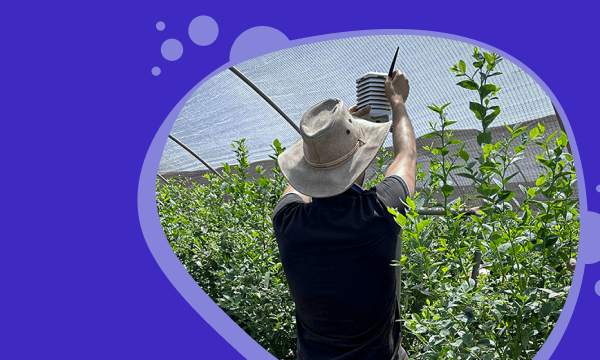
- IRRIGATION
- CROP MANAGEMENT
- BLUEBERRY
- ARTICLE
Optimized: Berry Irrigation in Morocco
A leading Moroccan berry grower cut water use by 16% using climate data and ETo-based irrigation… START READING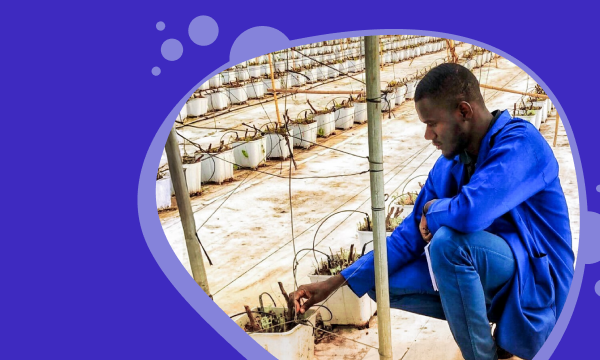
- IRRIGATION
- ARTICLE
- CROP MANAGEMENT
Optimized: An Irrigation Guide
ETo forecasting is a simple but powerful tool for optimizing irrigation every day, in every season… START READING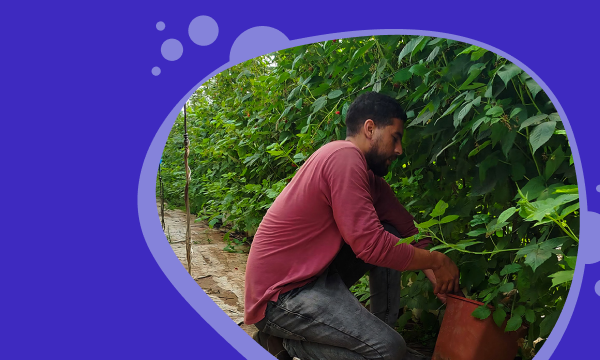
- ARTICLE
- IRRIGATION
- CROP MANAGEMENT
- TOMATO
Optimized: Irrigation
See the strategy behind evapotranspiration-based irrigation planning that helped a greenhouse… START READING
- IRRIGATION
- CROP MANAGEMENT
- CLIMATE
Six essential weather data points for irrigation management
Learn how six key weather data points can help you make smarter irrigation decisions, conserve… START READING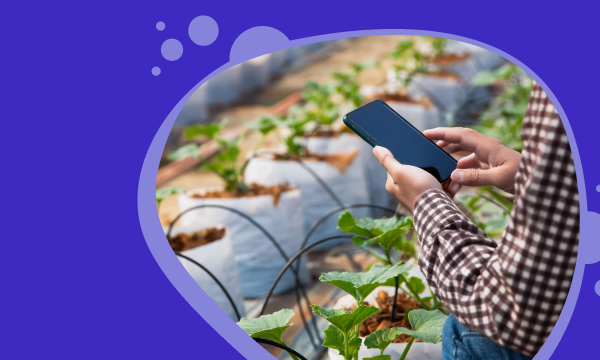
- CROP MANAGEMENT
- IRRIGATION
Five reasons why commercial growers need irrigation management software
A smart approach to water management is key to helping growers tackle water scarcity and climate… START READING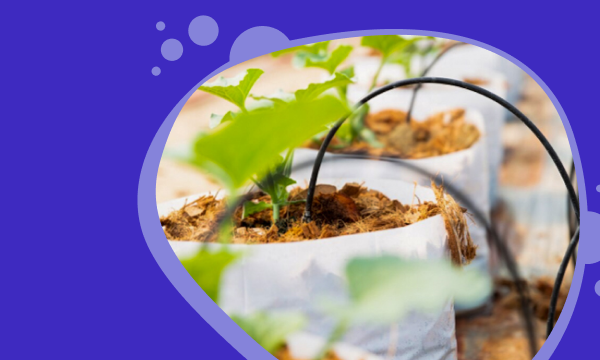
- ARTICLE
- IRRIGATION
- CROP MANAGEMENT
The grower’s guide to drip and drain monitoring
Uncover the vital role of drip and drain monitoring in optimizing drip irrigation farming. START READING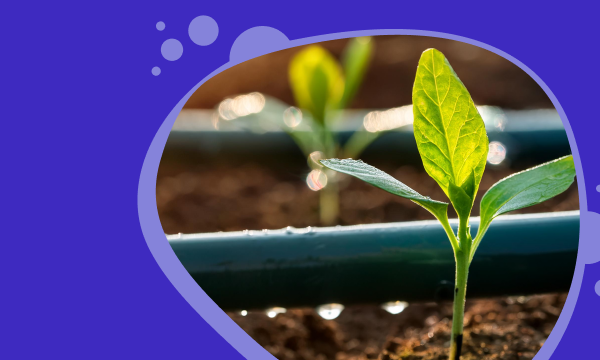
- ARTICLE
- IRRIGATION
- CROP MANAGEMENT
An introduction to smart irrigation using data insights
Explore how protected cropping growers can use data insights to drive smart irrigation practices. START READING.png)
- CUSTOMER CHAMPIONS
- IRRIGATION
Meet Khawla, R&D Manager at African Blue
Learn how Khawla Derstaouieh embraces digital agronomy to optimize irrigation, track pests, and… START READING
- DARRYN KEILLER
- ARTICLE
- IRRIGATION
- INDUSTRY